-
Bus, Airlines
-
Home Stay
-
5,416 metres
-
Kathmandu
-
Feb, Mar, Apr & May
-
Eco-Tour, Hiking
-
All meals during the trek
-
English, Spanish, French, Chinese
-
Easy to Moderate
-
2-15
-
15
-
85
8 Day Kibale Chimpanzee & Bwindi Mountain Gorilla Safaris
Discover the incredible diversity of Uganda on a memorable journey through Bwindi Impenetrable National Park and Kibale National Park, two of the country’s most celebrated destinations for primate and wildlife experiences.
This itinerary combines the magical experience of trekking through the misty forests of Bwindi in search of endangered mountain gorillas with the excitement of exploring Kibale, renowned as one of Africa’s best destinations for chimpanzee tracking.
Along the way, travelers will experience lush tropical forests, remarkable biodiversity, beautiful landscapes, and encounters with a variety of primates and other wildlife. This adventure offers a perfect blend of nature, exploration, and unforgettable wildlife encounters in the heart of Uganda.
Highlights
- Chimpanzee trekking in Kibale Forest
- Bigodi Wetland/community experience
- Wildlife safari in Queen Elizabeth National Park
- Scenic drive through the Albertine Rift and Ishasha sector
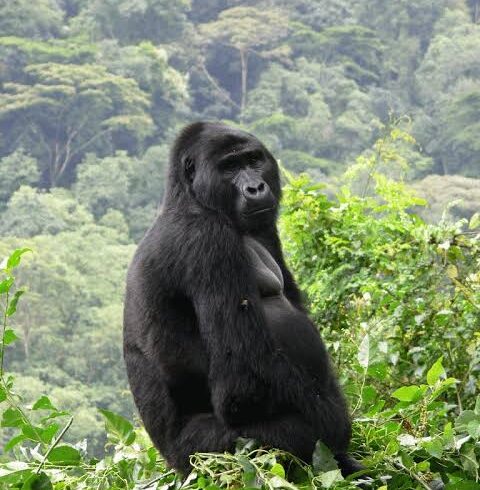
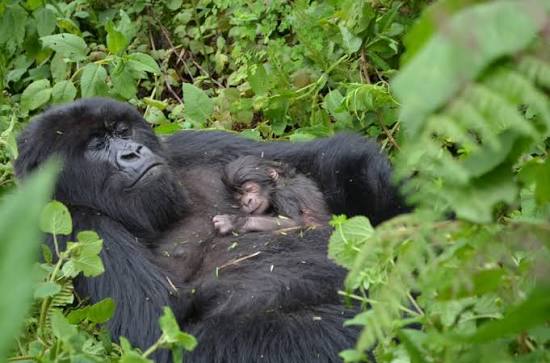
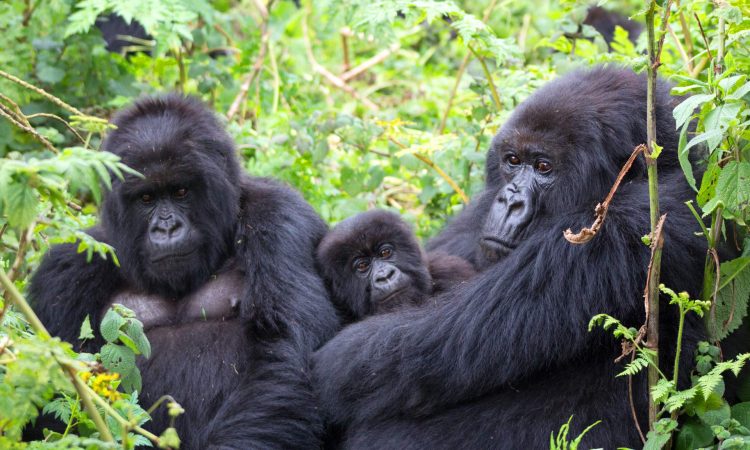
- Mountain gorilla trekking in Bwindi
- Cultural/community experience around Bwindi
- Scenic Lake Bunyonyi
- Uganda's spectacular western highlands
8-Day Kibale Chimpanzee & Bwindi Gorilla Safari
8-Day Kibale Forest & Bwindi Safari
Discover Uganda’s remarkable primate destinations on an 8-day safari combining chimpanzee trekking in Kibale Forest and mountain gorilla trekking in Bwindi Impenetrable National Park. Enjoy scenic drives through western Uganda, Bigodi Wetland, wildlife viewing in Queen Elizabeth National Park, a memorable gorilla trekking experience, and the beautiful landscapes of Lake Bunyonyi. This itinerary offers an unforgettable blend of rainforest, wildlife, culture, and adventure.
Your safari begins in the morning with pickup from your hotel in Kampala or from Entebbe International Airport.
After meeting your driver-guide, depart Kampala and head west toward Kibale Forest National Park for a 6-hour drive. The journey takes you through Uganda's countryside, with changing landscapes from the busy Kampala area to agricultural communities, rolling hills and eventually the lush landscapes around Fort Portal.
There will be opportunities to stop along the way for photographs, refreshments and lunch.
Continue toward Fort Portal, often referred to as the tourism capital of western Uganda. From Fort Portal, the landscape becomes increasingly green as you approach the Kibale forest ecosystem.
Arrive at your lodge in the afternoon and check in.
The remainder of the afternoon is at leisure. Depending on your arrival time, you can take a short walk around the lodge or simply relax in preparation for tomorrow's chimpanzee trek.
Wake up early and have breakfast before driving to the Kanyanchu Visitor Centre, where chimpanzee tracking takes place.
Chimpanzee tracking at Kibale is listed at morning and afternoon times, with the tracking experience generally lasting between two and five hours depending on the movements of the chimpanzees and conditions in the forest. Visitors receive a briefing before entering the forest.
After registration and briefing, you enter Kibale's rainforest accompanied by an experienced UWA ranger/guide.
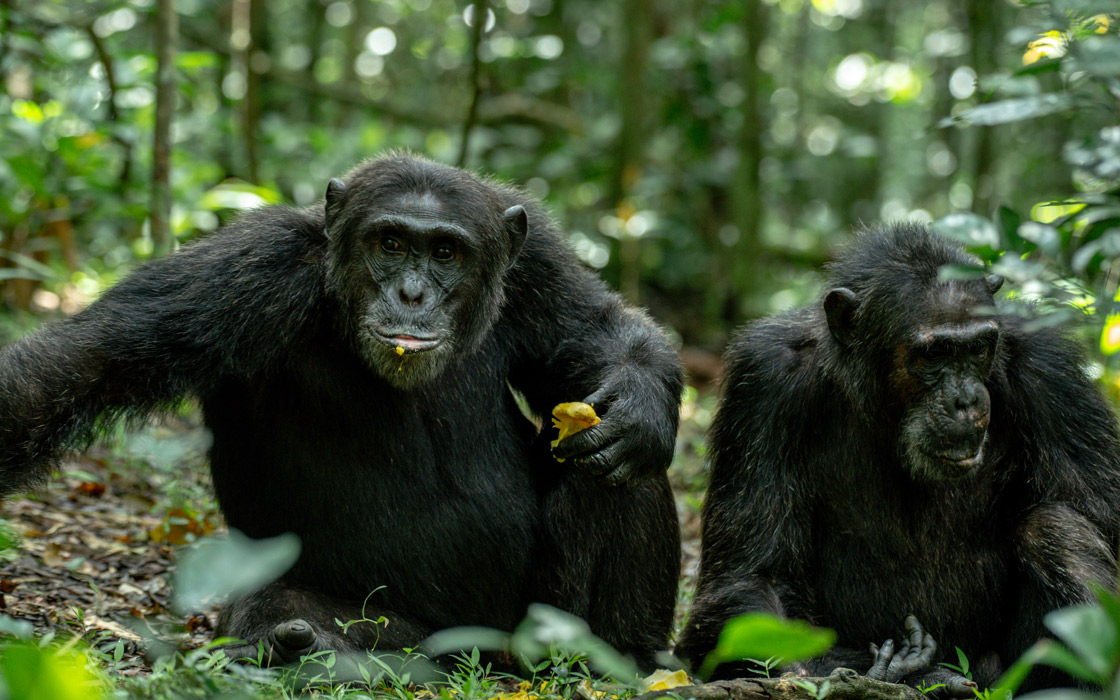
The forest is exceptionally rich in primates. Apart from chimpanzees, you may encounter species such as red-tailed monkeys, black-and-white colobus monkeys, L'Hoest's monkeys, grey-cheeked mangabeys, blue monkeys and olive baboons.
The trek involves following chimpanzee calls and signs through the forest. The animals are wild, so the exact duration and location of the encounter cannot be guaranteed.
Once you locate the chimpanzees, you can spend up to one hour observing them under the applicable UWA tracking rules.
This gives you an opportunity to watch their social interactions, feeding, grooming, climbing and movement through the forest canopy.
Return to the starting point after the trek and have lunch.
Afternoon – Bigodi Wetland
In the afternoon, visit the Bigodi Wetland Sanctuary for a community-run nature and cultural experience.
The wetland is particularly interesting for birdwatchers and primate enthusiasts. Walk along the trails with a local guide and learn about the surrounding communities, traditional agriculture and the relationship between the forest and local people.
Return to your lodge in the late afternoon, enjoy dinner and relax.
After breakfast, check out and begin your journey toward Queen Elizabeth National Park for a 3–4-hour drive with a distance approximately 100-160 km.
This is a relatively relaxed travel day compared with the longer journeys later in the safari.
After entering the Queen Elizabeth ecosystem, begin looking for wildlife along the way. Depending on the route and timing, you may encounter Uganda Kob, buffaloes, warthogs, elephants, antelopes, baboons, monkeys and various bird species
Arrive at your lodge around lunchtime or early afternoon.
Afternoon option – Kazinga Channel boat cruise
Take an afternoon boat cruise on the Kazinga Channel.
The cruise provides excellent opportunities to see wildlife gathered around the water. Hippos are particularly common, while buffalo and elephants can often be seen along the shoreline. The channel is also an excellent birding location.
After the cruise, return to your lodge.
Enjoy dinner while surrounded by the sounds of the African bush.
This is your scenic transition day from the savannah landscapes of Queen Elizabeth to the mountainous rainforest of Bwindi.
Have breakfast early and depart towards the Ishasha sector in the southern part of Queen Elizabeth National Park.
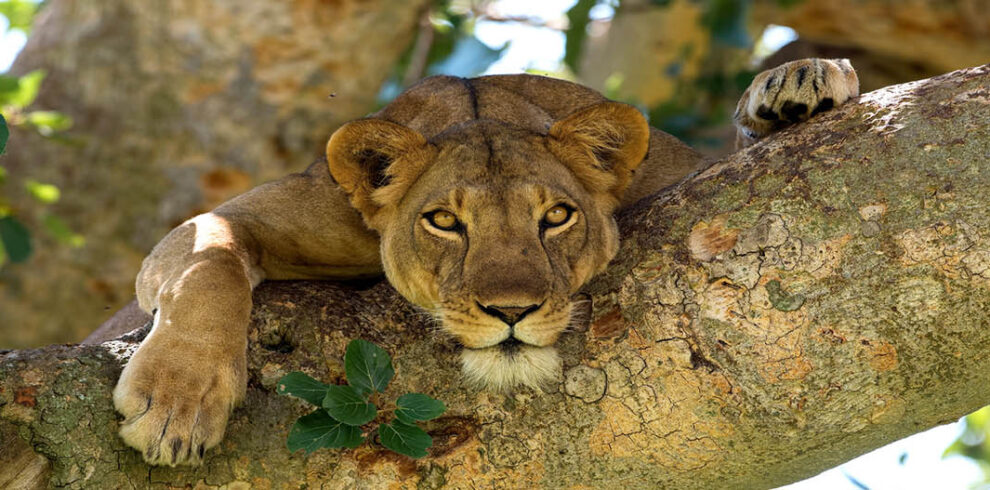
Ishasha is famous for its tree-climbing lions, although sightings are never guaranteed.
Enter the Ishasha sector and undertake a game drive while heading toward the Bwindi region.
Keep an eye out for tree-climbing lions, elephants, buffalo, Topi, Uganda Kob, warthogs, Bushbuck and various bird species
The tree-climbing lions are one of the attractions of the Ishasha sector, but because they are wild animals, sightings depend entirely on their movements that day.
Continue south towards Bwindi.
As you climb into the Kigezi highlands, the scenery changes dramatically. Savannah gives way to steep hills, cultivated terraces, valleys and increasingly dense forest.
This is one of the most beautiful sections of the journey.
Arrive at your Bwindi lodge in the late afternoon or evening.
Have dinner and prepare for the following day's gorilla trek.
Wake very early and have breakfast.
Carry packed lunch, drinking water, rain jacket, sturdy hiking shoes, long trousers, long-sleeved shirt, insect repellent, camera and waterproof bag for valuables
Proceed to your designated Bwindi trekking headquarters.
Registration and briefing take place before entering the forest. UWA's current gorilla guidance states that gorilla tracking begins from 8:00 a.m.; the exact reporting arrangements depend on the sector and current park procedures.
During the briefing, your ranger explains gorilla safety rules, forest etiquette, how to behave around the gorillas, what to do if a gorilla approaches you, photography rules, minimum-distance requirements, conservation principles and gorilla trekking
You then enter the forest.
There is no predetermined route because the gorillas move through the forest each day. Rangers track their movements and guide you toward the family assigned to your group.
The trek can involve steep slopes, muddy trails, dense vegetation, forest streams, thick undergrowth and uneven terrain
The difficulty therefore varies considerably from day to day.
Once you locate your gorilla family, you are allowed up to one hour with the gorillas during standard trekking. Standard gorilla trekking can take approximately 2–7 hours depending on the circumstances.
The gorilla encounter moment, you may find yourself only a short distance from a family of mountain gorillas.
You may see silverbacks, adult females and juveniles, infants grooming, feeding, playing and resting.
Your ranger will position the group appropriately and ensure that the encounter follows conservation guidelines.
After the allotted viewing time, leave the gorilla family and begin the trek back through the forest.
Return to the park headquarters and receive your trekking completion information.
Transfer back to your lodge.
The afternoon is deliberately left free because gorilla trekking can be physically demanding.
Relax, enjoy the lodge and have dinner.
After yesterday's demanding trek, today is intentionally more relaxed.
Have breakfast at the lodge before choosing a forest or community activity.
Take a guided forest walk through one of the available trails in your Bwindi sector.
Depending on the sector, possible experiences include forest-edge walks, birding and scenic trails.
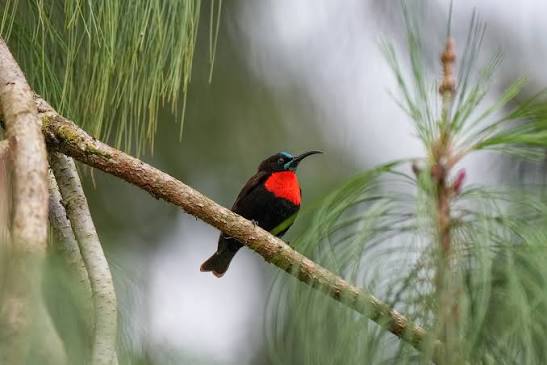
Bwindi is particularly important for birdwatching, with numerous Albertine Rift species found in the ecosystem. Trails such as the River Ivi, Bamboo and Mubwindi Swamp trails are identified as notable birding routes.
Return to the lodge for lunch.
The afternoon can be spent relaxing, enjoying the views from the lodge or taking a short walk around the community.
Spend the day learning about the communities living around Bwindi.
A community experience can introduce you to traditional food preparation, local farming, traditional medicine, local crafts, music and dance
The history of communities around the forest
Traditional forest knowledge
Bwindi's surrounding communities include Bakiga and Batwa people, and community tourism forms an important part of the conservation landscape around the park.
After breakfast, depart Bwindi and travel toward Lake Bunyonyi for 2-4 hours depending on the Bwindi sector.
The drive takes you through the spectacular Kigezi highlands, characterized by steep cultivated hills and valleys.
Arrive at Lake Bunyonyi around midday and check into your lodge.
Spend the afternoon relaxing beside the lake.
Lake Bunyonyi is surrounded by rolling hills and numerous small islands, making it a perfect place to unwind after several days of trekking and safari activities.
You can take an optional canoe or boat excursion to explore the lake and its islands.
Alternatively, simply relax at the lodge and enjoy the scenery.
After breakfast, begin the journey back towards Kampala or Entebbe for about 8-10 hours.
The drive takes you through southwestern Uganda, passing through Kabale, Ntungamo and Mbarara before joining the main road toward Kampala.
There will be opportunities for rest stops and lunch along the way.
As you approach Kampala, the landscape gradually changes from the hills of southwestern Uganda to the busier central region.
End of safari
Cost
The Cost Includes
- • Accommodation for 7 nights in selected lodges/camps.
- • Meals as specified in the itinerary.
- • Private 4x4 safari vehicle with an experienced English-speaking driver-guide.
- • Fuel and transportation throughout the safari.
- • Chimpanzee trekking permit in Kibale Forest National Park.
- • Gorilla trekking permit in Bwindi Impenetrable National Park.
- • Park entrance fees for the included national parks.
- • Bigodi Wetland guided nature walks.
- • Queen Elizabeth National Park game drive and/or scheduled activities.
- • Lake Bunyonyi boat/canoe experience, where included.
- • Bottled drinking water during game drives and transfers.
- • All activities and transfers mentioned in the itinerary.
- • Government taxes and applicable service charges.
The Cost Excludes
- • International and domestic flights.
- • Uganda visa and entry requirements.
- • Travel and medical insurance.
- • Personal expenses such as laundry, telephone calls and souvenirs.
- • Alcoholic and other premium beverages.
- • Tips and gratuities for guides, drivers and lodge staff.
- • Porter fees for gorilla or chimpanzee trekking, unless specifically included.
- • Optional activities not mentioned in the itinerary.
- • Any additional accommodation before or after the safari.
- • Personal hiking gear and equipment.
- • Any services or expenses not specifically listed under inclusions.
All About Your Trek
Embark on an exhilarating trekking journey that immerses you in the pristine beauty of nature and the rich cultural heritage of the region. This trek offers a perfect blend of adventure, breathtaking scenery, and meaningful local encounters, making it an ideal choice for those seeking to connect deeply with the environment and people.

Route & Terrain:
The trek covers a diverse landscape, ranging from dense forests and terraced fields to rocky mountain paths and high-altitude meadows. You’ll traverse well-marked trails that challenge your endurance while rewarding you with spectacular panoramic views. Some sections may involve steep ascents and descents, so a good level of physical fitness and stamina is recommended.
Duration & Pace:
This trek typically lasts [X days], allowing you to enjoy a balanced pace that combines daily trekking with time to rest and explore local villages. Each day’s walk averages between 4 to 7 hours, giving you ample opportunity to soak in the scenery and capture stunning photographs.
Accommodation & Facilities:
Overnight stays are arranged in traditional teahouses or mountain lodges, offering basic yet comfortable amenities. These cozy accommodations provide a chance to experience the warmth of local hospitality, enjoy hearty home-cooked meals, and recharge for the next day’s trek.
Cultural Experience:
Beyond the natural beauty, this trek provides a unique window into the life of indigenous communities. You’ll meet friendly locals, learn about their customs, traditions, and way of life, and perhaps even participate in cultural activities or festivals depending on the timing of your visit.
Best Time to Visit:
The optimal trekking seasons are during the spring months of March to May and the autumn months of September to November. During these periods, the weather is generally clear and stable, with moderate temperatures and minimal rainfall, ensuring safer trekking conditions and breathtaking visibility.
Preparation & Packing Tips:
To make the most of your trek, pack wisely. Essential items include sturdy trekking boots, layered clothing for fluctuating temperatures, rain gear, sun protection such as hats and sunscreen, a reusable water bottle, and personal medication. It’s advisable to keep your backpack light and prioritize comfort and functionality.
Health & Safety:
Your safety is our utmost priority. The trek is guided by experienced professionals who are well-versed in mountain safety and first aid. They continuously monitor weather and trail conditions to ensure a secure experience. Remember to stay hydrated, pace yourself, and communicate any discomfort to your guide immediately.
Environmental Responsibility:
We encourage all trekkers to practice responsible tourism by minimizing waste, respecting wildlife, and preserving the natural environment. Carry out all trash, avoid disturbing flora and fauna, and support local conservation efforts by purchasing souvenirs directly from artisans.
Additional Support:
Should you have any specific requirements or need assistance in planning your trek, our team is available to provide personalized advice and support. We also offer options for porter services or mule assistance to help carry your luggage, making your trek more comfortable.
FAQs
Annapurna Base Camp is a Grade B or a moderately difficult trekking route. So any fit person can do this trek, even if you do not have any previous experience. You should be aware of what to expect and mentally prepare for it. Then, as long as you will too, you can.
On average, you walk about 4 to 6 hours per day. One or two days can be as less as 3hrs and one or two days can be as long as 7hrs.
The highest altitude reached is 4190m. This is the elevation of Annapurna Base Camp. ABC is the highest we will climb in this trek.
Yes, you can charge batteries en route. Charger should be brought. There are hot shower facilities as well. You may have to pay a certain amount for both ($1-$2). Negotiate. Also, a hot water facility could be free at a lower elevation.
No. There are no ATMs on this trek route. You will have to draw enough cash in Pokhara or Kathmandu. There are a number of ATMs in these cities. Everything is paid in Nepali rupees. So money should be exchanged before the start of the trek.
Yes. The Internet can be accessed in most places. Sometimes, there might be some technical problems. The Internet in Nepal is not as fast as you are used to and at times you can just lose connection.
Not really. It depends on you. If you want, ABC trekking can be done independently. You could hire a guide and a porter by yourself instead of going through an agency or not hire a guide at all. Although, not having a guide can be a little problematic during the offseason.
It really depends on you. Is it your first time in Nepal? How confident are you of being able to find your way around? How pressed on time are you? If you go through an agency, it will be costlier but everything will be planned. You will only have to come, trek and return.
For the Annapurna region, pay for guides range from $20 to $30 per day and porters take $15 to $25 per day.